
Chasing cables in versus running them on the surface
When to chase cables into walls and when surface trunking or conduit is the better answer, with honest cost and disruption trade-offs.
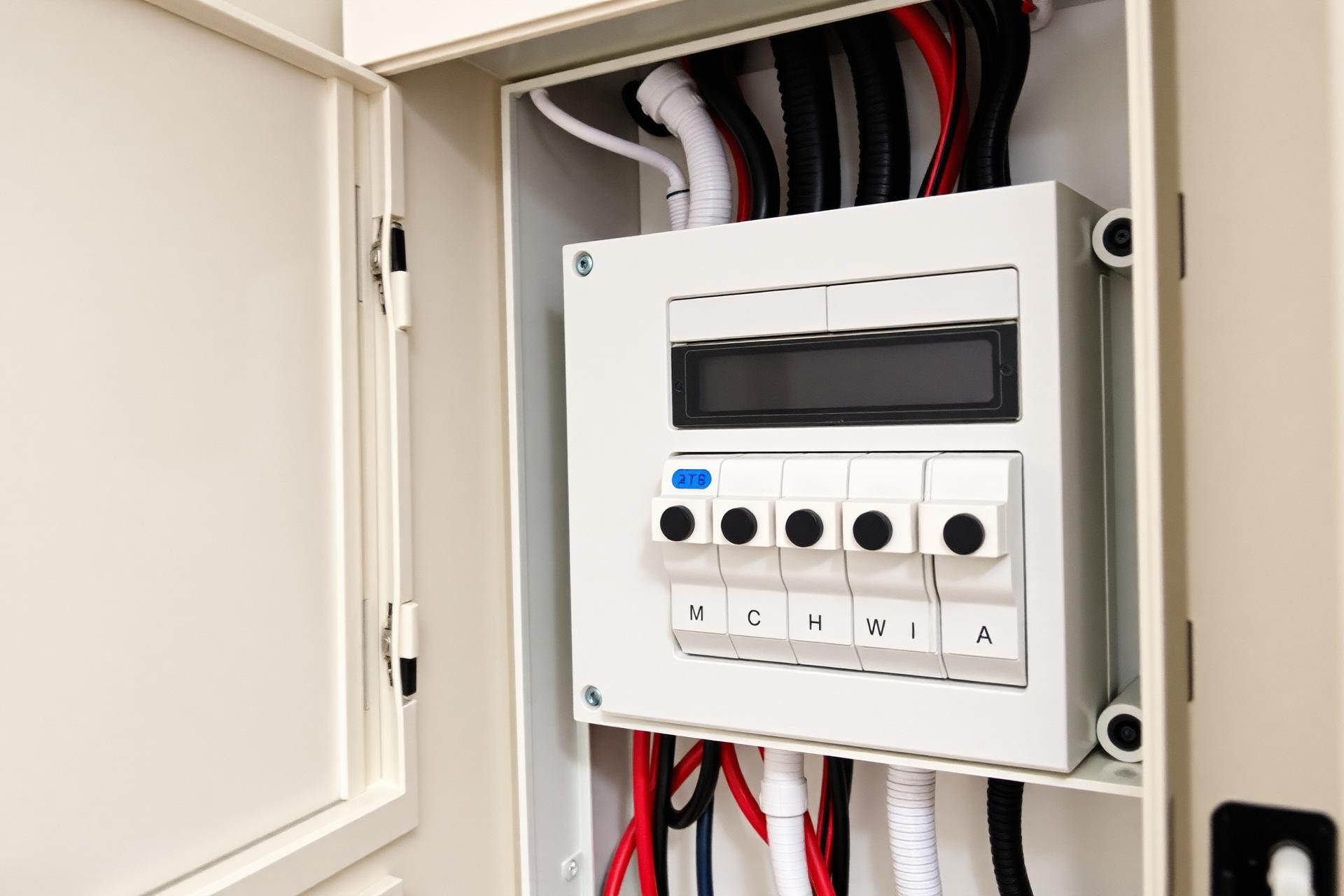
Chased cables disappear into the wall and look like nothing was ever done — after the plastering and decorating that follows. Surface containment is visible but goes in quickly, costs less and can be altered later without breaking anything.
The right choice depends on the room, the finish, and whether decoration is happening anyway.
- Chasing suits properties being replastered or decorated
- Surface containment suits garages, workshops and later additions
- Making good is usually the biggest hidden cost of chasing
- Both must be installed in permitted zones with the right protection
The real cost of chasing
The electrical labour is only part of it. Chasing produces dust, requires filling, and normally means the wall needs painting afterwards. When you are already decorating, that cost is close to zero. When you are not, it can exceed the electrical work.
Where surface wins
Garages, workshops, plant rooms, outbuildings and commercial premises. Neat trunking or conduit is quick, serviceable, and easy to extend when you add something next year.
Safe zones apply either way
Buried cables must run in permitted zones or have additional protection, so that a future picture hook does not find one. We install to those zones regardless of method, and we record routes.
Common questions
Can cables be chased into any wall?
Depth limits apply, particularly on blockwork and party walls. We assess each wall.
Do you make good after chasing?
We fill chases ready for decoration; full plaster finishing is usually done by your plasterer.
Is surface wiring against regulations?
No — correctly contained surface wiring is entirely compliant.
Get a fixed price
Decorating soon? Tell us the timing — running our work into your schedule can remove the making-good cost almost entirely.