
7kW or 22kW EV charger at home?
Why almost every UK home gets a 7kW charger, when 22kW is genuinely worth it, and what your supply and car can actually accept.
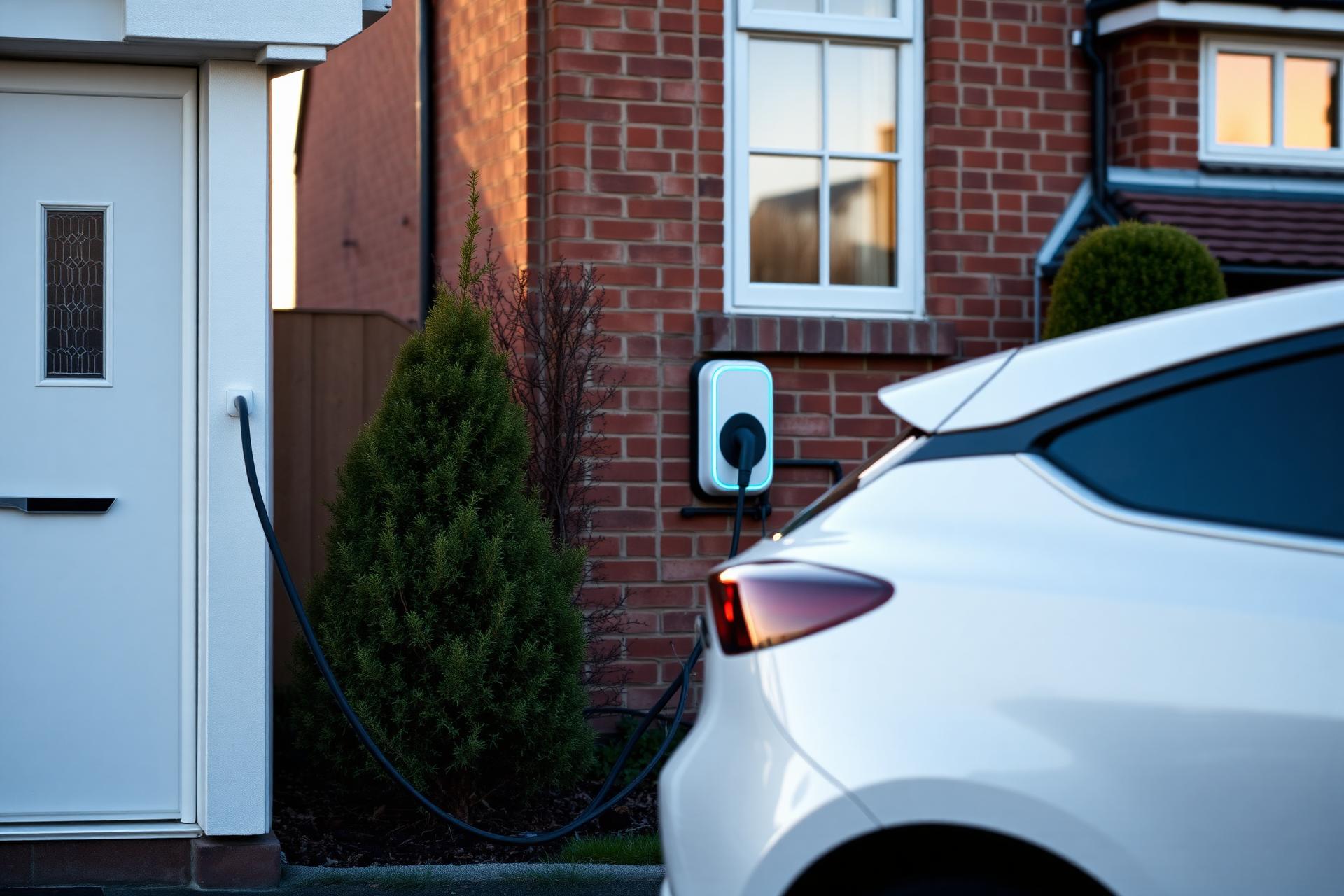
22kW sounds three times better than 7kW. In practice, most homes cannot supply it and most cars cannot accept it, so the faster unit charges at exactly the same speed as the cheaper one while costing more to install.
Here is the actual decision, in the order it matters: what supply do you have, what can the car take on AC, and how many miles do you really need overnight.
- 22kW requires a three-phase supply — most UK homes are single-phase
- Many EVs accept only 7kW or 11kW on AC regardless of the charger
- 7kW adds a full typical daily range in a few overnight hours
- Smart tariff scheduling matters more than raw kilowatts
Your supply comes first
22kW charging needs three phases. The overwhelming majority of UK homes have a single-phase supply, on which the practical ceiling is around 7.4kW. Bringing in three-phase where it does not exist is a network job with a network price tag, and it is rarely worth it for domestic charging.
What the car accepts
The onboard charger in the vehicle sets the AC limit. Plenty of popular EVs cap at 7.4kW or 11kW on AC, so a 22kW unit delivers nothing extra. Rapid DC charging on the motorway is a completely separate system and is unaffected by which home unit you fit.
Overnight is longer than you think
A 7kW charger running through a cheap overnight window adds far more range than most drivers use in a day. Unless you regularly return home nearly empty and leave again within a couple of hours, extra power sits idle.
Common questions
Do I have three-phase?
Most homes don't. A photo of your incoming supply and meter tells us in seconds.
Is 22kW worth it for a workplace?
Sometimes — commercial sites often do have three-phase, and shared bays benefit from faster turnaround.
Will a 7kW charger damage my battery?
No. Regular AC charging is gentler on the battery than frequent DC rapid charging.
Get a fixed price
Send a photo of your meter and main fuse — we'll confirm what your supply supports before you buy any hardware.