Titan Electrical Solutions
c.1925–1939 · 1930s Bay-Fronted Semi

1930s Bay-Fronted Semi consumer unit upgrades — Aberdare (CF44)

cavity brick (early cavity construction), plasterboard-on-batten internally on some ceilings. Roof-space access is straightforward, loft cabling is easy — but plasterboard-on-batten ceilings mean second-fix downlight work needs careful joist mapping.

Most 1930s semi properties across Aberdare were rewired 1980s–2010s; ring finals commonly extended without upgrading the CU. That single fact drives the consumer unit upgrades conversation more than any brochure spec ever does — we're inheriting a wiring generation, not starting from scratch.

The quote we send is calibrated to that inheritance: what's testable, what needs remedial work, what's genuinely fine as it stands. No wholesale "modernise everything" pitch when the existing installation is sound.

What to expect

  1. 01

    Photo or on-site survey

    Focus on the porch or hallway, the consumer unit location, and the intended cable route. Usually 15–30 minutes on-site or a short photo set.

  2. 02

    Written fixed quote

    Priced against your 1930s semi's specific construction, not a template. Route sketched, materials listed, no line-item surprises.

  3. 03

    Booked around access

    Diary planned for the access constraint that matters on this stock — roof-space access is straightforward, loft cabling is easy — but plasterboard-on-batten ceilings mean second-fix downlight work needs careful joist mapping.

  4. 04

    Certificate + evidence pack

    NICEIC certificate, photo evidence of hidden work, Part P where applicable — all emailed the evening the job signs off.

What we build into every quote

  • Fixed price at quote stage, calibrated to c.1925–1939 construction — not a generic South Wales rate.
  • Certificate at the end, delivered the same evening, in the format your next EICR or agent will expect.
  • Materials matched to the stock: 18th Edition metal-clad CU, plus RCBO per circuit.
  • Cable routing planned around cavity brick (early cavity construction), plasterboard-on-batten internally on some ceilings — no chasing walls that don't take a chase, no mid-job "we couldn't get through".

Construction & access

Roof-space access is straightforward, loft cabling is easy — but plasterboard-on-batten ceilings mean second-fix downlight work needs careful joist mapping.

Wiring generation & likely findings

Wiring generation on this stock is typically rewired 1980s–2010s; ring finals commonly extended without upgrading the CU. On a 1930s semi you should expect us to flag: ring finals extended into the kitchen or a rear extension without checking the R1+R2; back-boiler removals leaving abandoned wiring in the airing cupboard; loft-conversion feeds spurred off the upstairs ring rather than a dedicated circuit.

Materials we spec

Materials and methods we spec on 1930s bay-fronted semi work: 18th Edition metal-clad CU; RCBO per circuit; additional CU for a loft or garage sub-main where the main board is short of ways. Everything is priced on the quote — nothing added on invoice.

Aberdare context

Across CF44 the 1930s semi stock we've worked on shares consistent patterns: ring finals extended into the kitchen or a rear extension without checking the R1+R2. That local pattern is baked into the quote, not discovered on the day.

FAQs — 1930s bay-fronted semi in Aberdare

What's specific about consumer unit upgrades on a 1930s semi?+

Two things: ring finals extended into the kitchen or a rear extension without checking the R1+R2, and the wiring generation — rewired 1980s–2010s. Both go on the quote, not the invoice.

Can you replace the old wooden-backed board in a 1930s semi?+

Yes — same-day swap in almost every case. Metal-clad 18th Edition CU on the same wall, Part P notified, certificate emailed same evening.

Will the work affect any original features?+

Not unless the quote says so. On period stock in particular we route through floors, lofts and non-original plaster; cornices, dado rails and original panelling stay intact.

How common is a 1930s semi in Aberdare?+

Common enough that we work on this stock most weeks. ex-mining cottages in Trecynon and Cwmbach with original 1950s wiring, alongside 1980s semis in Aberaman — the 1930s semi is a recognisable slice of that mix.

How do you handle cable routing on a 1930s semi?+

Roof-space access is straightforward, loft cabling is easy — but plasterboard-on-batten ceilings mean second-fix downlight work needs careful joist mapping. We mark the route at survey and price against it.

Nearby coverage

Owners of 1930s semi properties in Aberdare, Merthyr Tydfil and the wider area get one point of contact for the lot — quote, work, certificate, after-care.

Summary

Short version: consumer unit upgrades on a 1930s semi in Aberdare works best when the survey accounts for cavity brick (early cavity construction), the quote is fixed, and the materials (18th Edition metal-clad CU) are matched to the stock — not lifted from a new-build spec.

Consumer Unit Upgrades on 1930s bay-fronted semi stock — Aberdare

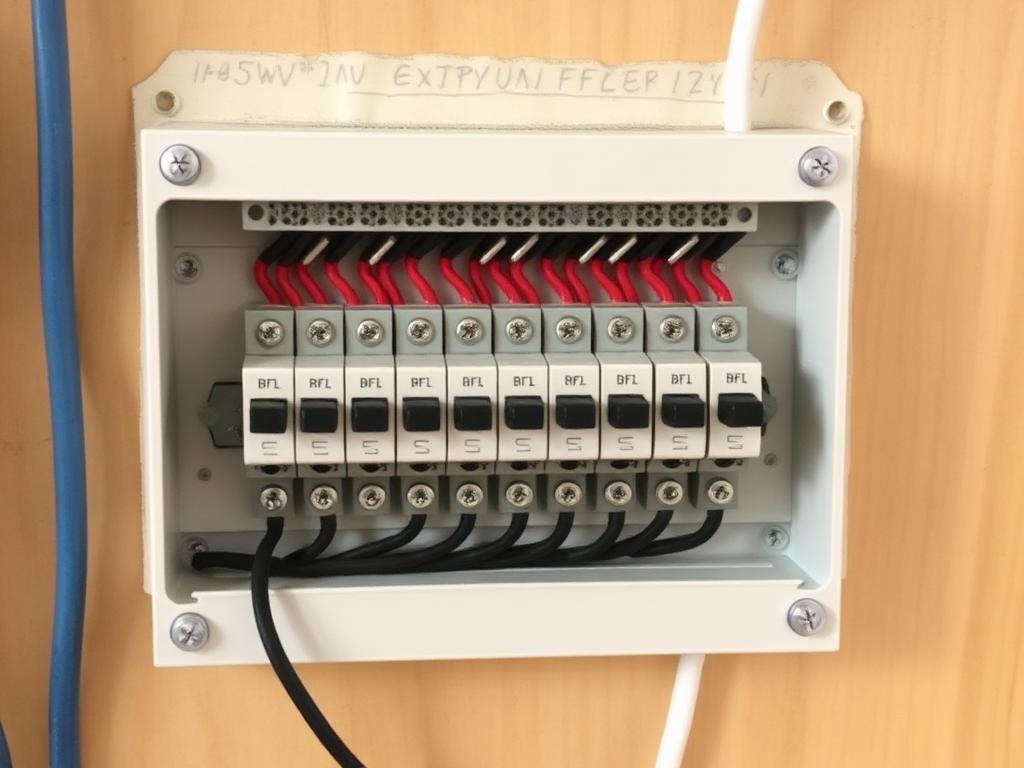
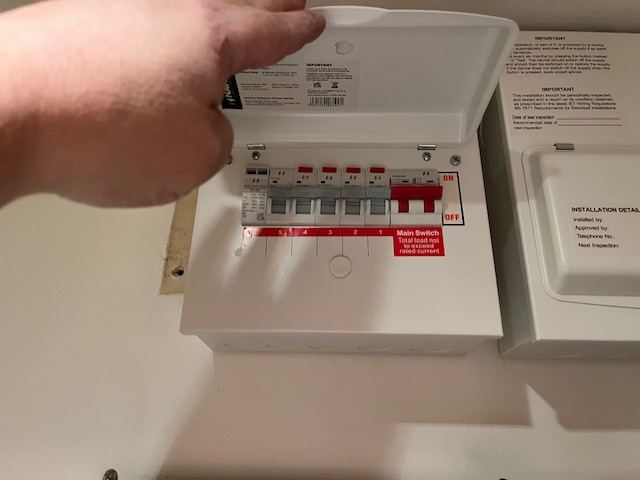
modern fuse board installed in a domestic hallway — consumer unit upgrades by Titan Electrical Solutions at a smallholdings on the fringes towards Hirwaun 1930s semi property in near M4 J32 (about 22 miles south) (CF44)Consumer Unit Upgrades project in Aberdare: outdoor socket and cable routing on a rear elevation, delivered on a 1980s semis in Aberaman and Penywaun address near M4 J32 (about 22 miles south)consumer unit swap with clean cable dressing completed during a consumer unit upgrades job in the Aberdare area — Aberdare (CF44)

Get a fixed price for consumer unit upgrades on your Aberdare 1930s semi

1930s Bay-Fronted Semi owners in Aberdare usually want to know two things: will you know what you're looking at, and will the price be fixed. Yes to both — we work on this stock every week and price everything on paper.

Consumer Unit Upgrades on 1930s bay-fronted semis in nearby towns